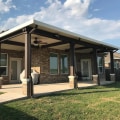
A properly installed roof provides essential protection for the entirehome structure. Homeowners often overlook subtle indicators ofinstallation quality until problems emerge. Professional roofing workdemonstrates consistent pattern alignment, secure fastening, andappropriate flashing techniques. Conversely, improper installation maylead to premature deterioration, water intrusion, and significant repair costs. Understanding the key markers of quality installation allowsproperty owners to evaluate workmanship before water damage revealsdeficiencies.
Visual Inspection: What to Look for on Your Newly Installed Roof
When conducting a visual inspection of a newly installed roof,homeowners should begin with a thorough ground-level assessment beforeproceeding to more specific components.
Start by examining shingle condition, looking for blisters, curling,or splitting that indicates improper installation. Check for uniformityin the roof's shape and ascertain all shingles are present with novisible gaps. Confirm that nail heads are not exposed, as this suggestsinadequate fastening. Inspect ridge and hip lines for secure, properlyaligned shingles.
Next, evaluate flashings around all roof penetrations includingchimneys, vents, and skylights. Metal flashings should be rust-free with intact sealant. Valley areas require special attention as improperflashing can lead to leaks. Finally, assess gutters for properalignment, secure attachment, and appropriate shingle overhang.
Key Signs of Professional Workmanship in Roofing
Professional roofing workmanship exhibits several distinguishinghallmarks that homeowners can identify upon careful examination. Quality roofing installations display uniformly straight lines, consistent shingleplacement, and proper nailing patterns that secure materials firmly tothe roof deck. Flawless flashing installation around vents, chimneys,and valleys prevents water intrusion, while even spacing betweenshingles guarantees ideal drainage.
Precision craftsmanship is evident in the seamless integration ofroof components and meticulous attention to manufacturer specifications. Properly installed underlayment and decking provide a solid foundation, while correctly sealed edges demonstrate technical expertise.Contractors who adhere to building codes leave documentationdemonstrating compliance with local regulations and industry standards.Energy-efficient material selection and proper ventilation furtherindicate professional installation methods that contribute to long-termdurability and performance.
Common Red Flags That Indicate Poor Installation
Frequently overlooked during post-installation assessments, severaltelltale signs indicate substandard roof installation that cancompromise structural integrity and weather protection. Detecting theseproblems early can prevent costly repairs and extend roof lifespan.Professional inspections should focus on identifying these criticalinstallation defects:
- Visual irregularities - Uneven rooflines, sagging areas, misaligned or missing shingles, and noticeable color disparities suggest rushed workmanship
- Moisture intrusion - Leaks after initial rainfall,water stains in attics, musty odors, and ceiling discoloration point toimproper flashing or sealing
- Structural weaknesses - Sagging decking, bumpy surfaces, and insufficient nail patterns compromise load-bearing capacity and increase collapse risk
- Flashing and gutter deficiencies - Improperlyinstalled flashings around penetrations, misaligned gutters, andinadequate drainage systems fail to direct water properly
Testing Your Roof's Functionality After Installation
Professional testing of a newly installed roof requires systematicevaluation of its functional capabilities. Water testing protocols,including controlled spray testing and electronic leak detection, canverify the roof's ability to maintain watertight integrity duringprecipitation events. Stress resistance assessment through field uplifttests and thermal imaging provides quantifiable data regarding theroof's structural stability and potential vulnerability to extremeweather conditions.
Water Test Protocol
How can homeowners verify their new roof is truly watertight? Astructured water test provides definitive evidence of installationquality. This controlled procedure systematically identifies potentialvulnerabilities before they cause damage.
Proper water testing protocol includes:
- Preparation - Confirm completely dry roofconditions, block all openings including vents and drains, and identifysuspected weak points for focused testing.
- Methodical Application - Begin at lowest elevation points, gradually moving upward while maintaining controlled water flow to prevent oversaturation.
- Inside Monitoring - Position an observer indoors to document any water penetration while marking corresponding exterior locations.
- Verification - After repairs, conduct follow-up testing to confirm resolution and document findings for warranty purposes.
This empirical approach eliminates uncertainty about installationintegrity and establishes baseline performance data for futuremaintenance assessments.
Stress Resistance Assessment
Beyond visual inspection and water penetration tests, thoroughstructural stress resistance assessment provides definitive verification of a roof's functional integrity. Professional evaluations typicallyinclude wind uplift resistance testing, which simulates environmentalforces through controlled air pressure or mechanical methods.
Field uplift tests following FM 1-52 standards measure deflectionunder simulated wind conditions. The bonded uplift test appliesincremental upward force to plywood adhered to roofing materials untilreaching 1.5 times design pressure. These tests utilize specializedequipment including tripods, scales, and pressure systems.
For extensive analysis, electrical integrity testingmethods—including vector mapping and low voltage conductance testing—can identify membranous breaches. Additionally, fire resistance assessmentdetermines compliance with safety standards using ASTM-definedprocedures, resulting in Class A, B, or C ratings that indicateprotection levels against external flame sources.
The Importance of Documentation and Warranties
Proper documentation forms the foundation for warranty coverage andserves as evidence of correct roof installation. Homeowners shouldmaintain a thorough record of all installation photos, materialspecifications, and professional certifications to validate warrantyclaims if defects emerge. These records protect the investment byconfirming compliance with manufacturer requirements and building codes, while simultaneously providing essential reference information forfuture maintenance or property transactions.
Warranty Coverage Details
Securing proper warranty coverage represents one of the most critical but often overlooked aspects of a roof installation. Extensive roofwarranties typically include both manufacturer material warranties(25-50 years) and contractor workmanship warranties (minimum 10 years).
Homeowners should carefully evaluate warranty options by considering:
- Coverage Structure - Identify non-prorated periods offering full material replacement versus prorated coverage diminishing over time
- Exclusion Clauses - Understand specific conditions that may void warranty protection, such as improper maintenance
- Transferability - Confirm if warranties transfer to subsequent homeowners, potentially enhancing property value
- Documentation Requirements - Maintain installation details, contractor information, and maintenance records to validate claims
Ensuring warranties are properly activated and understanding theclaims process facilitates efficient resolution should defects emergeduring the coverage period.
Record Everything Meticulously
Nearly every roofing professional emphasizes that meticulousdocumentation serves as the cornerstone of a properly validated roofinstallation. Thorough documentation should include site-specific photos of product packaging, installation details, and testing reports.Essential elements comprise four elevation photos from each side of thehome, clear images of fastener types, and verification of roof deckattachment.
Proper documentation fulfills multiple critical functions:establishing warranty eligibility, demonstrating code compliance,facilitating insurance claims, and supporting future maintenanceefforts. Manufacturers often require specific documentation to validatewarranty claims, particularly when installation must be performed bylicensed contractors. Professional letters from engineers, especiallyregarding roof deck uplift attachment, provide additional verificationof installation quality. Maintaining organized physical and digitalrecords ensures all information remains accessible for regulatorycompliance and dispute resolution.
When to Schedule Follow-Up Inspections and Maintenance
Ensuring the longevity of a newly installed roof requires a strategic inspection and maintenance schedule. The initial assessment shouldoccur immediately after installation completion to verify workmanshipquality and identify visible defects before issues develop.
Follow these critical inspection intervals:
- Initial post-installation inspection - Examine flashings, drainage systems, and surface materials for proper installation and potential defects
- Seasonal evaluations - Conduct spring inspections for winter damage and fall assessments to prepare for severe weather
- Annual thorough assessment - Document roof condition, perform maintenance, and verify warranty compliance
- Post-event examinations - Inspect after severe weather events, equipment installations, or any modifications to the roofing system
Adhering to this schedule helps identify potential problems early, preventing minor issues from developing into costly repairs.
Thorough evaluation of roof installation quality requires systematicvisual inspection, functional testing, and documentation review. Proper shingle alignment, flashing installation, and uniformity in materialsindicate professional workmanship. Absence of exposed fasteners,consistent spacing, and straight lines confirm technical accuracy.Homeowners should maintain extensive installation records for warrantypurposes and schedule periodic professional assessments to verify theroof's structural integrity and performance.